
Aug 07, 2026
SOC2 Type2
Case Chronology® has completed its SOC 2 Type II audit with the highest opinion an auditor can issue — the same standard of independent scrutiny the platform applies to every opinion it helps an expert build.

Jul 06, 2026
AI Risk & Limitations — Part 9: The Cognitive Surrender Risk
AI-generated summaries can look finished before they've actually been verified — researchers call the uncritical acceptance of that output "cognitive surrender." This piece looks at what that risk means for legal and medical-legal opinions, and how Case Chronology® keeps human judgment in the loop.
May 26, 2026
AI Risk & Limitations - Part 8: The Legal Expert AI Handicap
Defense firms and insurers increasingly forbid their retained experts from using AI —
May 25, 2026
AI Risk & Limitations - Part 7: Hallucinations — Association Risk
Every name on every page of a modern litigation file — judges, attorneys, expert witnesses, treating physicians, paralegals — can be silently rebranded by AI through hallucinated associations. The result is a kind of AI Scarlet Letter: an invisible mark the person rarely learns about until it surfaces in a screen, a credentialing review, or opposing preparation.
May 22, 2026
AI Risk & Limitations — Part 6: Missing Documents
When AI silently omits handwritten notes, faded faxes, and pages outside its relevance threshold, the missing document only surfaces under cross-examination. Case Chronology® equips experts to see what the AI could not — and build a verified opinion that accounts for both.

May 20, 2026
AI Risk & Limitations — Part 5: Token Limitation
Tokens are the real currency of AI. Once it moves out of casual use and into the work of an actual practice, the limits start showing up everywhere — at the session, at the plan, at the company. The teams that handle it best are the ones that stopped treating tokens like an unlimited utility before they had to.

May 18, 2026
AI Risk & Limitations — Part 4: Wait Until Your First $1,000 AI Report
A common question I hear when people are exploring AI is "How much does your product cost?" —
May 18, 2026
AI Risk & Limitations — Part 3: Hallucinations
Most professionals picture an AI hallucination as a fabricated citation. The category is broader and more subtle — and the subtler forms are the hardest to catch.
May 15, 2026
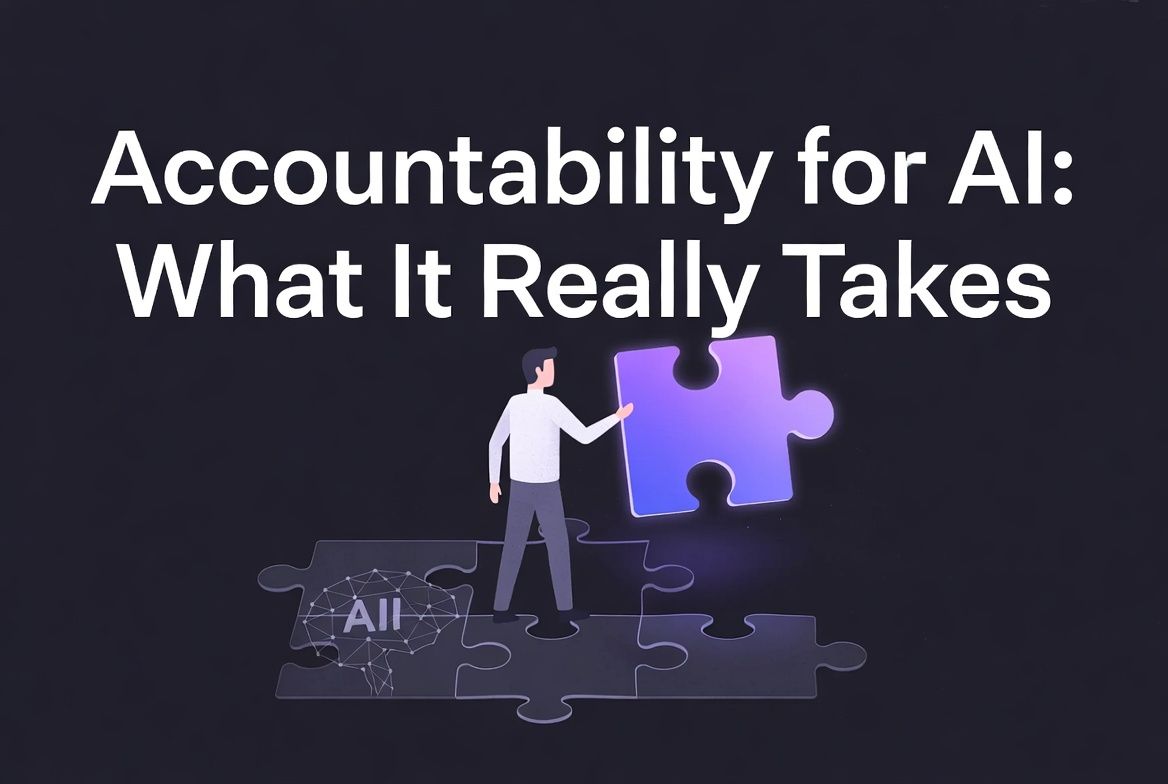
AI Risk & Limitations — Part 2: Accountability for AI: What It Really Takes
Most individuals and organizations beginning their AI journeys underestimate how complex AI accountability actually is

May 14, 2026
Human Intelligence vs Artificial Intelligence
Attorneys and claims managers face a recurring problem: too many files, too little time.

May 12, 2026
Case Chronology for Medical Experts
Medical issues are complex, and attorneys engage medical experts to provide analysis and opinions —
May 12, 2026
Command Center for Critical Thinking
If your work depends on forming a position you can defend — in court, in peer review, on the stand, in a treatment decision, in a published paper — critical thinking is the work itself.
May 04, 2026
AI Risk & Limitations — Part 1: The Human Verified Opinion Comes First
The hardest problem in expert work — holding thousands of pages in coherent view and forming an opinion you can defend — predates AI by decades. Case Chronology® was built to solve it. That foundation is still the standard everything else is measured against.